


Winter Car Care Checklist for Chicago-Area Drivers
As a driver in Chicago, you already know that the metropolis’ Windy City nickname is well-earned. However, once winter rolls around, it’s not just the wind that you have to worry about, it’s also the cold, snow, ice, slush — and even less-considered issues like the road salt used to combat those things. Your vehicle is affected by those forces in several ways, so it’s important to make sure you’re ready to take on the season by performing some routine winter maintenance. The team at the Joe Rizza Auto Group has compiled this checklist to help you get started, and of course, we’re also ready and available to help you winterize your vehicle.
A Winter Car Care Checklist
❑ Inspect or change your tires
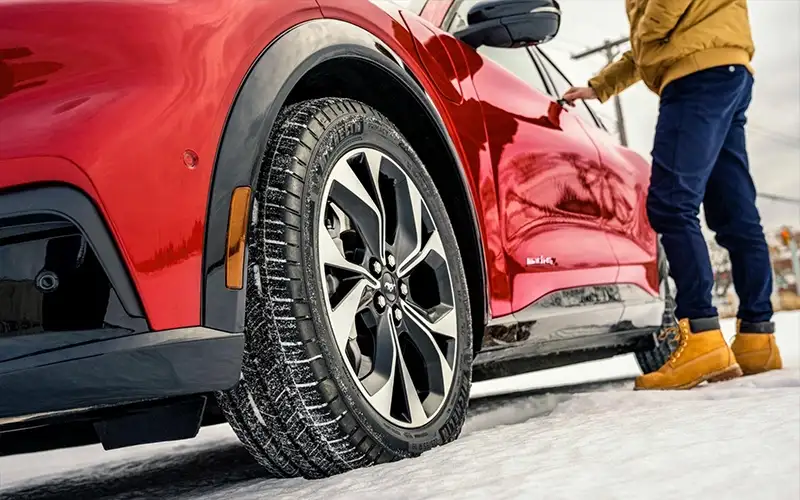
Wherever life might take you around Chicagoland, it’s vital that you have a good set of tires to get you there safely, so you should consider switching to a set of dedicated winter tires, which are specially designed to provide enhanced grip during slippery conditions. Regardless, you’ll need to make sure that you have adequate tread depth (the classic penny and quarter tests are good ways to check quickly), and that the entire surface is free from damage. And, naturally, make sure they’re properly inflated, since the cold air reduces their pressure.
❑ Test your battery
Batteries are notorious for failing once the weather turns cold thanks to slower internal chemical reactions, particularly if they were already close to their expected lifespan. As a pre-emptive measure, you should regularly replace your battery every three years to ensure that it’s always fresh. If you’re unsure, getting your battery professionally tested can help determine if it’s ready for winter.
❑ Check your brakes
Just as your tires are essential for safe winter travel, so are your brakes, and you’ll need to make sure your pads and rotors are in peak condition for the notorious stop-and-go traffic on I-294 once things get slick.
❑ Top off or replace oil and other fluids
Keeping fresh oil in your engine, preferably a thinner winter formula, is essential for keeping vital engine parts lubricated in cold weather, so a pre-winter oil and filter change is always a good idea. Additionally, you’ll want to make sure that your coolant and washer fluid are topped off and ready to go.
❑ Inspect your heating and defrosting systems
Certainly, when it’s freezing outside, you’ll want to be confident in your vehicle’s ability to keep the cabin nice and toasty as you commute around Chicago. It’s a safety issue as well, since you’ll need your defrosters to keep your vision clear while driving.
❑ Replace your wiper blades
Whether they’re clearing road sludge kicked up by the vehicle in front of you, working through the overnight ice, or pushing away driving snow, your windshield wipers take an absolute beating during the winter. Making sure they have a fresh set of blades before the weather turns is one of those things you’ll thank yourself for later.
❑ Clean your vehicle frequently
When there is a break in the weather, make sure you take advantage of it by getting the exterior of your vehicle thoroughly cleaned. Road salt and de-icer can build up on your underbody and corrode crucial parts, including your brakes. Washing everything off whenever you can helps protect these exposed areas.
❑ Prepare an emergency kit
Even if you do everything you’re supposed to, life can still have other plans. Keep a flashlight (with extra batteries), a first-aid kit, blankets and extra clothing, non-perishable food, water, flares, and sand or cat litter (to help with traction) in your trunk, just in case. Make sure that there’s a phone charger somewhere in your vehicle as well.
EV and Hybrid Winter Tips
Obviously, hybrids and electric vehicles have unique concerns during the winter, thanks mostly to their battery packs. Here are a few additional things you should consider.
Preconditioning
Any time you drive your vehicle, or plug it into a fast charger, you’ll want to precondition it. Essentially, this just means warming up your battery pack in advance so that it uses less of its own stored energy. Doing this can add 20, 30, or even 40 miles to your overall range.
Range Changes
Speaking of range, you should account for the fact that cold weather will drain your batteries faster and can reduce your expected range by 25 percent or more, compared to the summer months. Preconditioning can help, but some capacity loss is unavoidable.
Charging Habits
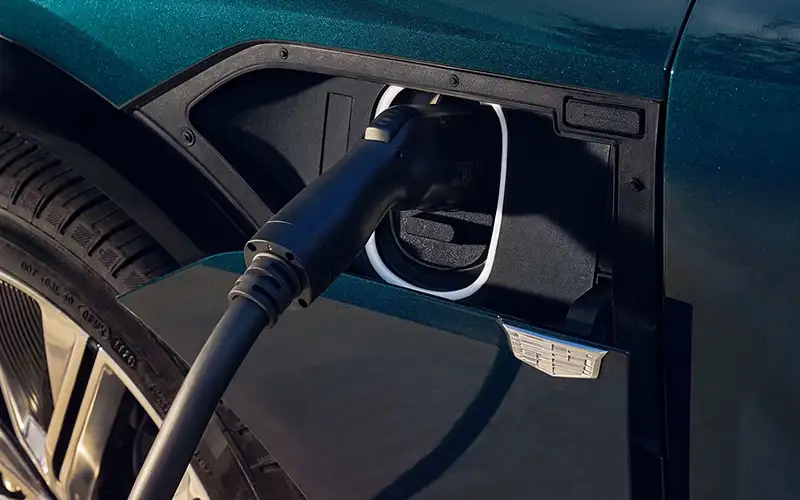
Park your vehicle in a garage whenever possible, and keep it plugged in to a Level 2 charger, to facilitate preconditioning. You’ll still want to keep your battery charged between 20 and 80 percent for optimal performance.
Tire Pressure
It’s worth re-iterating the need to keep your tires properly inflated, since EVs and hybrids carry the added concern of battery capacity. Tires that are too soft increase rolling resistance and shave miles off of your range.
Frequently Asked Questions
When should I switch to winter tires in Chicago?
Ideally, before you need them, once that first snowfall hits. In Chicago, that generally means that October and November are the best months to make the switch, but it’s also a situation where “better late than never” applies.
How does road salt damage my car?
Road salt, when kicked up by your tires, gets stuck underneath your vehicle and can corrode important parts, including your brakes. Frequently washing your undercarriage can substantially reduce this risk.
Do I need to replace my battery before the Chicago winter?
If your battery is at least three years old, yes, you probably should replace it. If not, a quick voltage test can help make sure that it’s ready to fire up your engine through the cold weather.
Should I warm up my car in winter?
In a modern car, it isn’t necessary to idle for an extended period before driving. Oil circulates through your engine within roughly 60 seconds, so waiting longer than that isn’t needed. You may still, of course, wish to make sure that your cabin is warmed up before sitting in it.